The Legal Explanation of Child Abuse
📅 2026 Update: Changes in Child Abuse Definitions and Protections
Since the original article was published, there have been important updates regarding child abuse laws and definitions in various states. These changes impact how child endangerment and abandonment are defined legally. The information in the earlier article continues further down this page.
🛡️ Minnesota's Definition of Substantial Child Endangerment
As of 2024, Minnesota has clarified its definition of "substantial child endangerment." This includes acts such as egregious harm, abandonment, neglect, and various forms of abuse, including sexual and physical assault. This change aims to better protect children in vulnerable situations.
🚨 Reporting Requirements
In Minnesota, mandated reporters must report signs of abandonment within a short timeframe. They are required to contact local law enforcement or the state's child protective services agency within 24 to 48 hours after identifying signs of potential abandonment. This encourages quicker action when a child may be at risk.
🏠 Emergency Protective Custody
When a child is found abandoned, Minnesota's child welfare system initiates emergency protective custody. This process typically lasts up to 72 hours without a court order. During this time, caseworkers work to find a temporary placement for the child, often with relatives or emergency foster families.
📝 Judicial Reviews in Child Protection Cases
Minnesota conducts judicial reviews of child protection cases every six months. Permanency hearings take place every 12 months to decide if the child can safely return home or if plans should shift toward adoption or another permanent solution. This regular assessment is crucial for the child's welfare.
📌 Key Points Summary
- Substantial Endangerment: Defined to include egregious harm and neglect.
- Reporting Timeline: Mandated reporters must act within 24 to 48 hours.
- Protective Custody: Emergency measures for abandoned children last up to 72 hours.
- Regular Reviews: Judicial assessments every six months for child protection cases.
💡 Tips for Understanding Child Abuse Cases
Review the details of your own situation with an attorney to understand your rights and responsibilities.
🛑 Understand Definitions
Know the legal definitions of child abandonment and endangerment in your state. These definitions can vary and impact how cases are handled.
📅 Report Promptly
If you suspect child abandonment, report your concerns quickly. Mandated reporters in Minnesota must notify authorities within a specific timeframe to ensure children's safety.
🔍 Stay Informed
Keep up with changes in child protection laws. Laws can evolve, and understanding these changes is essential for both parents and guardians.
🏠 Emergency Resources
If you encounter a situation involving a child at risk, remember that emergency protective custody can be initiated by authorities. Familiarize yourself with local child welfare resources.
📞 Utilize Safe Haven Laws
If you are in a difficult situation as a parent, know that you can surrender a newborn under safe haven laws without facing legal consequences, provided the baby is unharmed.
🏆 Child Protection Services Ranked by User Reviews (2026)
This section highlights services related to child protection and legal assistance. These services are ranked according to Trustpilot data checked in October 2026. Ratings reflect user experiences, and while they provide insight, they should not be the only factor in decision-making.
🥇 1. TranslateSwift
TranslateSwift has been rated 4.6 out of 5 stars. This company is known for certified translation services, especially for immigration documents and other official paperwork in over 120 languages. Some reviewers have noted issues with translation accuracy, which could be crucial for legal documents related to child protection cases.
🆓 Free Government Resources
Many states offer free resources, including child protective services and hotlines for reporting abuse or abandonment. These services are crucial for individuals seeking immediate help or guidance.
🔎 Comparison Factors
- Service Range: Look for services that specialize in child protection.
- User Reviews: Pay attention to overall ratings but consider individual experiences.
- Legal Expertise: Ensure the service has knowledge in family law and child welfare.
- Response Time: Evaluate how quickly services respond to inquiries or reports.
- Support Availability: Check for 24/7 support options for urgent situations.
❓ Frequently Asked Questions
🤔 What is considered child abandonment?
Child abandonment generally includes leaving a child without necessary care or supervision for an extended time. In Minnesota, it is defined as having no contact with the child for six months despite efforts to facilitate communication.
🏥 What should I do if I suspect child abuse?
If you suspect child abuse, you should report your concerns to local authorities or child protective services. In Minnesota, mandated reporters must act within a specific timeframe.
📅 How often are child protection cases reviewed?
In Minnesota, judicial reviews of child protection cases occur at least every six months. Permanency hearings take place every 12 months to determine the child's future living arrangements.
🚨 What are safe haven laws?
Safe haven laws allow parents to surrender a newborn at designated locations, such as hospitals or fire stations, without facing criminal charges. This law aims to prevent dangerous situations for infants.
📞 How can I find local child welfare resources?
You can find local child welfare resources by searching online for your state's child protective services or contacting local law enforcement.
✍️ What happens during emergency protective custody?
Emergency protective custody involves temporarily placing a child in a safe environment after abandonment is confirmed. This usually lasts up to 72 hours while authorities assess the situation.
⚖️ Recent Cases in Child Protection
Recent court rulings have clarified various aspects of child protection laws, including definitions of abuse and the responsibilities of mandated reporters. These rulings are significant for understanding how child endangerment and abandonment cases are treated.
- Florida Court Denies Paternity Appeal in Custody CaseDistrict Court of Appeal of Florida · January 21, 2020
- Florida court vacates child custody modification rulingDistrict Court of Appeal of Florida · January 21, 2020
- Florida court rules on child custody and contempt appealDistrict Court of Appeal of Florida · January 21, 2020
- Florida court affirms marriage dissolution despite foreign rulingDistrict Court of Appeal of Florida · January 21, 2020
Readers can browse more rulings on the news page to stay updated on the latest developments in child protection cases.
End of October 2026 Update
Child Abuse: The Legal Explanation
Child abuse is a serious issue that affects millions of children worldwide. It can take many forms and can have long-lasting effects on a child's physical, emotional and psychological well-being. Despite its prevalence, child abuse remains a largely hidden problem that often goes unreported. In this article, we will explore the legal definition of child abuse, the types of child abuse, and the legal consequences for those who perpetrate it.
What is Child Abuse?
In the simplest terms, child abuse is any act of commission or omission that endangers or impairs the physical, emotional or psychological well-being of a child. This can include physical abuse, sexual abuse, emotional abuse, neglect, and exploitation. The definition of child abuse varies by jurisdiction and can also vary depending on cultural and societal norms. However, there are some commonalities that are recognized across most legal systems.
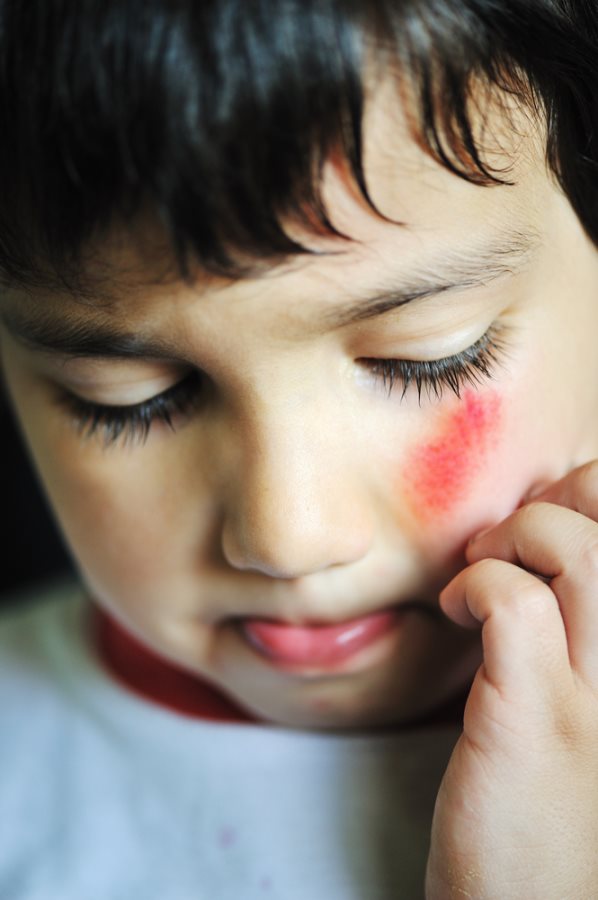
Physical Abuse
Physical abuse is the intentional use of force against a child that results in harm or injury. This can range from minor bruises and scratches to broken bones and internal injuries. Physical abuse can be caused by hitting, spanking, kicking, shaking, biting, burning, throwing, or any other action that causes harm to a child's body. It is important to note that physical discipline is not necessarily abusive, and the line between discipline and abuse can be a fine one. In most jurisdictions, physical discipline that does not result in serious harm or injury is considered legal.
Sexual Abuse
Sexual abuse is any sexual act or behavior that involves a child and an adult or older child. This can include rape, molestation, incest, exposure to pornography, and sexual exploitation. Sexual abuse can have devastating psychological effects on a child, ranging from low self-esteem and negative body image to depression and anxiety. It can also have physical consequences, such as sexually transmitted infections, genital injuries, and unwanted pregnancies.
Emotional Abuse
Emotional abuse is the use of words or actions by a caregiver or adult that damages a child's self-esteem or emotional well-being. This can include belittling, insulting, mocking, isolating, or threatening a child. Emotional abuse can have serious long-term effects on a child's mental health and can lead to issues such as anxiety, depression, and attachment disorders.
Neglect
Neglect is the failure of a caregiver or adult to provide a child with the basic necessities of life, such as food, shelter, clothing, and medical care. This can include physical neglect, such as failing to provide adequate nutrition or medical attention, as well as emotional neglect, such as failing to provide emotional support and love. Neglect can have serious physical, emotional, and psychological consequences for a child, including malnutrition, illness, and delayed cognitive development.
Exploitation
Exploitation is the use of a child for profit, gratification, or personal gain. This can include child labor, sex trafficking, child pornography, and forced begging. Exploitation is particularly devastating because it not only harms a child's physical, emotional, and psychological well-being but also undermines their dignity and autonomy. It is a violation of a child's basic human rights and is illegal in all jurisdictions.
Legal Consequences of Child Abuse
The legal consequences of child abuse vary depending on the severity of the abuse and the jurisdiction where it occurs. However, in general, child abuse is a criminal offense that carries serious penalties for those who perpetrate it. In most jurisdictions, child abuse is a felony offense, which means that it is punishable by a term of imprisonment of one year or more. In some cases, child abuse can also be charged as a misdemeanor, which carries a lesser penalty.
In addition to criminal penalties, those who perpetrate child abuse may also face civil liability for their actions. This means that they can be sued for damages by the victim or their family members. Civil damages can include compensation for medical expenses, counseling costs, lost wages, and pain and suffering.
In some jurisdictions, child abuse can also lead to the termination of parental rights. This means that a court can permanently sever the legal relationship between a parent and their child if the parent is found to have committed child abuse. Termination of parental rights is a serious consequence that can have lifelong implications for both the parent and the child.
Preventing Child Abuse
Preventing child abuse requires the effort of parents, caregivers, and society at large. There are many steps that individuals and institutions can take to prevent child abuse and protect children from harm. These include:
1. Educating children and adults about child abuse: Education is key to preventing child abuse. Children should be taught about their bodies, their rights, and how to protect themselves from abuse. Adults should be educated about the signs of abuse and how to report suspected abuse.
2. Strengthening laws and policies: Laws and policies that protect children from abuse and hold perpetrators accountable should be strengthened and enforced.
3. Providing support to families: Families should have access to the resources and support they need to care for their children. This can include parenting classes, financial assistance, and counseling services.
4. Reporting suspected abuse: It is everyone's responsibility to report suspected child abuse to the appropriate authorities. This can include child protective services, law enforcement, or a trusted healthcare provider.
Conclusion
Child abuse is a serious problem that affects millions of children around the world. It can take many forms and can have devastating physical, emotional, and psychological consequences for the child. Preventing child abuse requires the effort of parents, caregivers, and society at large. It requires education, strengthening laws and policies, providing support to families, and reporting suspected abuse. Those who perpetrate child abuse can face serious legal consequences, including criminal and civil penalties and the termination of parental rights. By working together to prevent child abuse, we can ensure that all children grow up safe, healthy, and loved.
A Child Abuse offense is legally defined as the general mishandling – through unlawful wrongdoing, unethical activity, or neglect - with regard to a child or minor; child abuse can range in the severity of the offense, in addition to the events undertaken by the respective offender:
Child abuse can be psychological, physical, emotional, and sexual in nature; it can mirror any type of abuse directed at an adult - yet, due to the nature of the age(s) of the victim(s), punishment for convicted child abusers are typically severe
Although Child Abuse is classified as abuse directed towards a minor, the severity of child abuse convictions and punishment can rely heavily on the respective age of the victim in question, a child abuse violation varies upon individual intent, criminal record, criminal history, and the age(s) of the alleged victim(s)
In child abuse cases involving child abuse of a sexual nature, an individual found guilty may be forced to register with a sex offender registry – mandatory therapy might be instated in the case of other types of child abuse cases
Neglect is described as delinquency with regard to the well-being and welfare of a child, which can include abandonment, disregard, and rejection – neglect can take place in conjunction to a variety of child abuse offenses
The Legal Definition of a Child
A child - whom is an individual legally classified as a minor - is defined as an individual who is prohibited from engaging in specific activity that is presumed to require a heightened sense of maturity and growth as a result of their respective age. Typically, this level of maturity and experience is considered to be a classification for legal-adulthood. A minor is prohibited from consenting to any nature of sexual activity, including intercourse, copulation, performance, or depiction.
Types of Child Abuse
The following are a variety of classifications with regard to Child Abuse:
Physical Child Abuse
The assault of a child or minor through the use of force, violence, or any other variety of physical means intended for bodily harm
Psychological or Emotional Child Abuse
The verbal or emotional debasement directed at a child or minor; although this type of child abuse can be the most difficult to define, it is nonetheless an extremely serious offense
Sexual Child Abuse
Child Pornography is the depictions of children (that are involved in illicit, lewd, inappropriate, illegal, unlawful sexual acts. Due to the age(s) of the victim(s), the notion of consent does not exist in the case of Child Pornography; this is considered to be an act of manipulation, exploitation, and the inherent corruption of a minor. Child Pornography is considered to be one of the most egregious and heinous offenses in the scope of crimes against children; those convicted of Child Pornography charges are subject to be punished to the fullest extent of the law. Individuals convicted of producing, selling, owning, or purchasing child pornography will typically be required to register as sex offenders under Megan’s Law.
Child Abuse that is sexual in nature involves the participation of a sexual act with a child, whom is legally-prohibited from consenting to such an act; this form of Child Abuse is considered to be predatory and exploitative in nature resulting in mandatory registration as a sex offender within national databases or registries
Statutory Rape cases can involve consensual sexual activity. Sexual abuse that involves children is considered to be among the most heinous and egregious criminal activities that can be punished according to the fullest extent of the law; the notion of force, coercion, or manipulation is implicit in a majority of child sexual abuse cases.
Child Pornography is an act of Child Abuse that is classified as the unlawful, unethical, elicit, and degrading depiction of children and minors in a sexual nature through various forms of media